
Develop a new strategy for building a local and sustainable food value chain in Bissau in order to address the critical challenges of food security and climate change, and help restore the status of agricultural and agro-related professions.
Places of intervention
Located on the border with Senegal, Guinea-Bissau, with a population of 1.8 million, is one of the poorest countries in the world.
Agriculture is the backbone of the national economy. It generates over 90% of export earnings, relying mainly on cashew nuts and rice. Despite this economic importance, the country has a food production deficit and remains heavily dependent on food imports, making it vulnerable to fluctuations in international markets.
In Bissau, women play a significant role in agricultural activities, from cultivation to the marketing of produce, thereby helping to ensure household food security: they accounted for over 90% of the women supported by ESSOR between 2020 and 2023. Although there is demand for agroecological products in Bissau, women producers face significant constraints such as the cost of seeds, a lack of technical and entrepreneurial skills, difficulties with planning, and limited access to more lucrative sectors such as rice or cashew nuts.
Our engagements
Provide training in agricultural and agro-related professions, promoting the adoption of agroecological practices and restoring the profession’s status through personal development modules, particularly aimed at women and young people
Develop agripreneurship to contribute to the growth of the various links in the supply chain, whilst enabling producers – particularly women – and young people wishing to enter the agricultural sector to broaden their income streams
The project in action
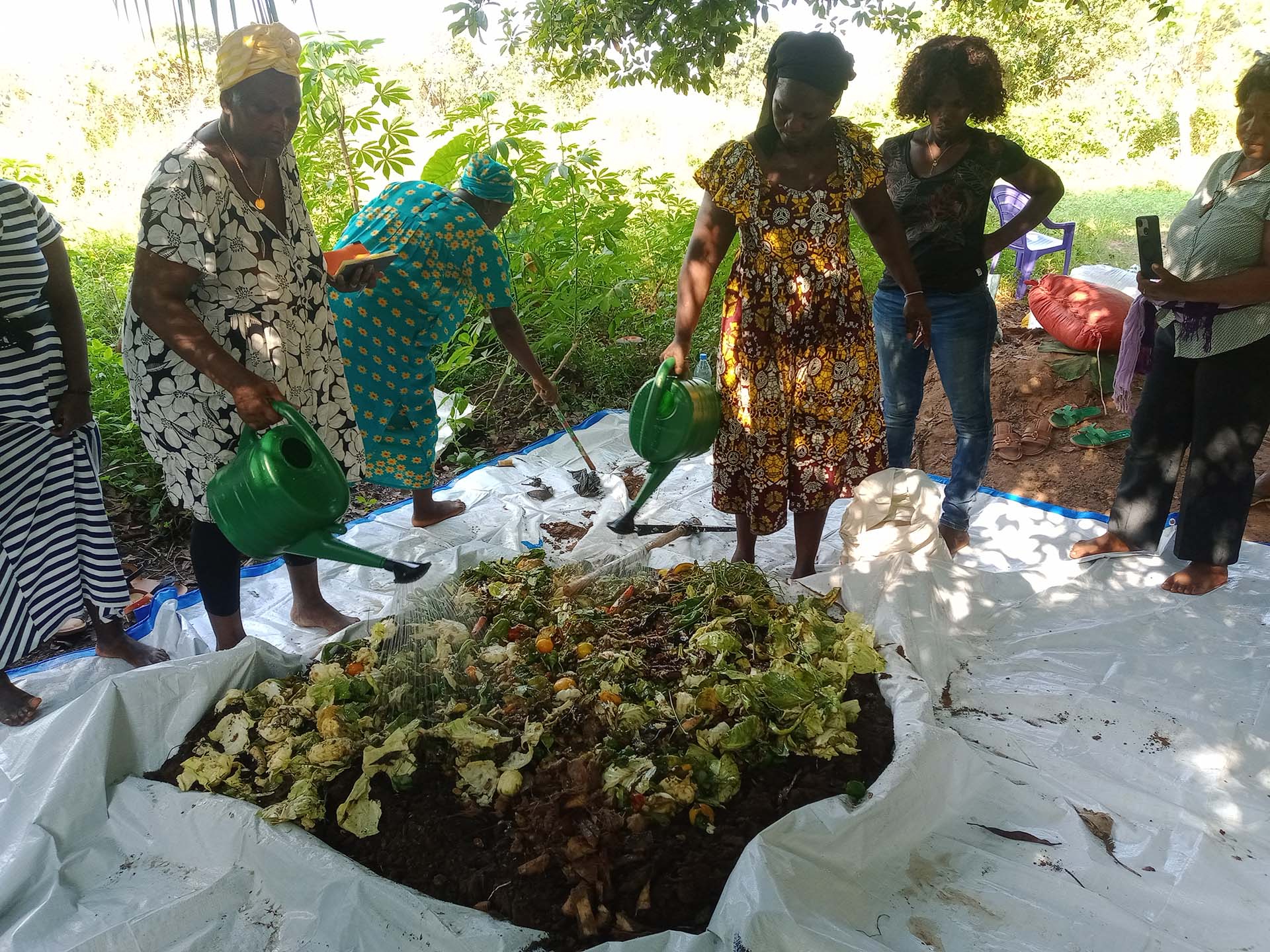
- Train women producer-trainers
- Set up and equip agricultural and agri-food incubators
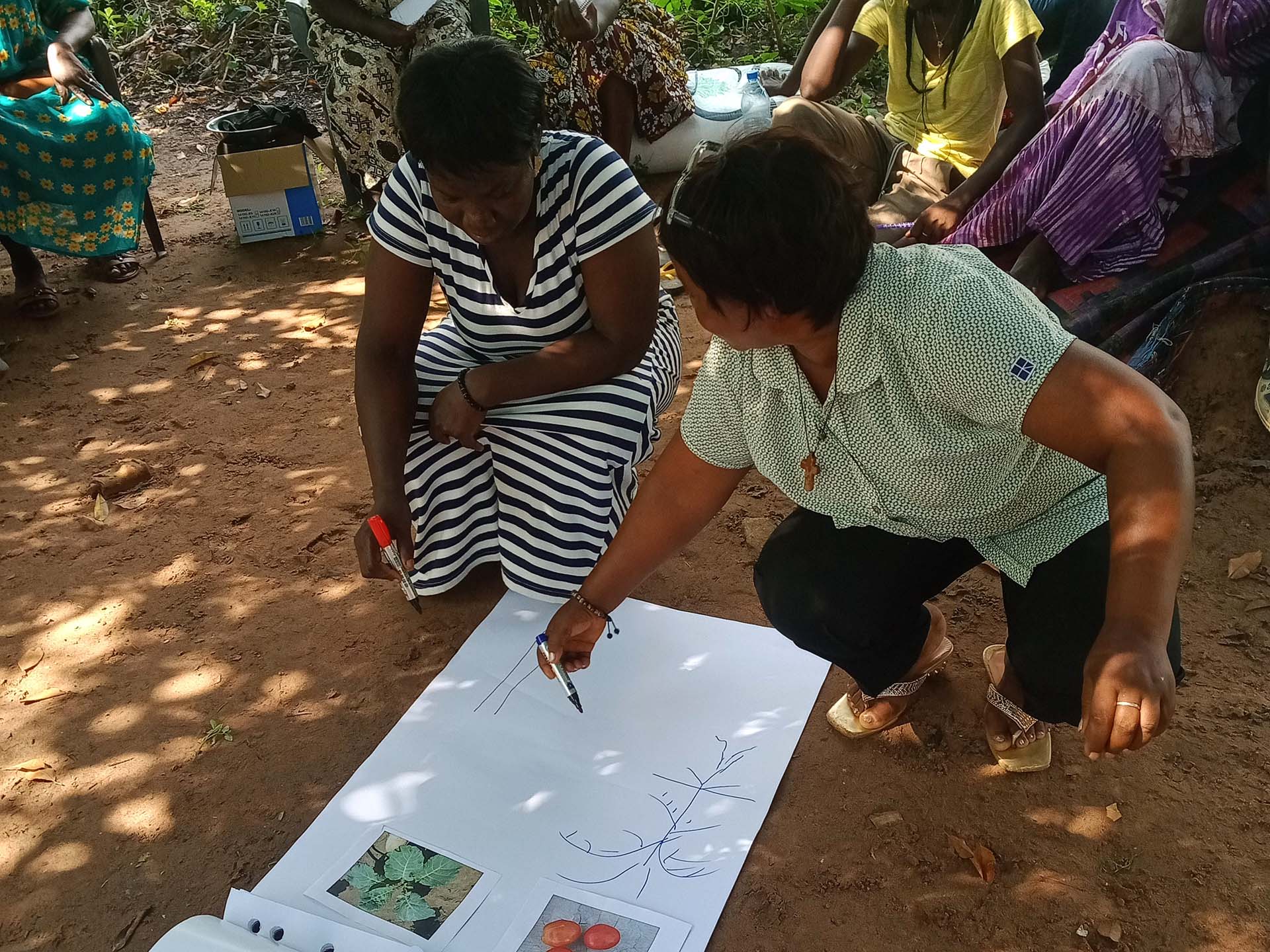
- Implement Peer-Led Agricultural Training programmes (called FAPP)
- Implement Simplified Participatory Agricultural Training programmes (called FAPA) in a new area, Quinamel and Boula
- Support participants in agripreneurship
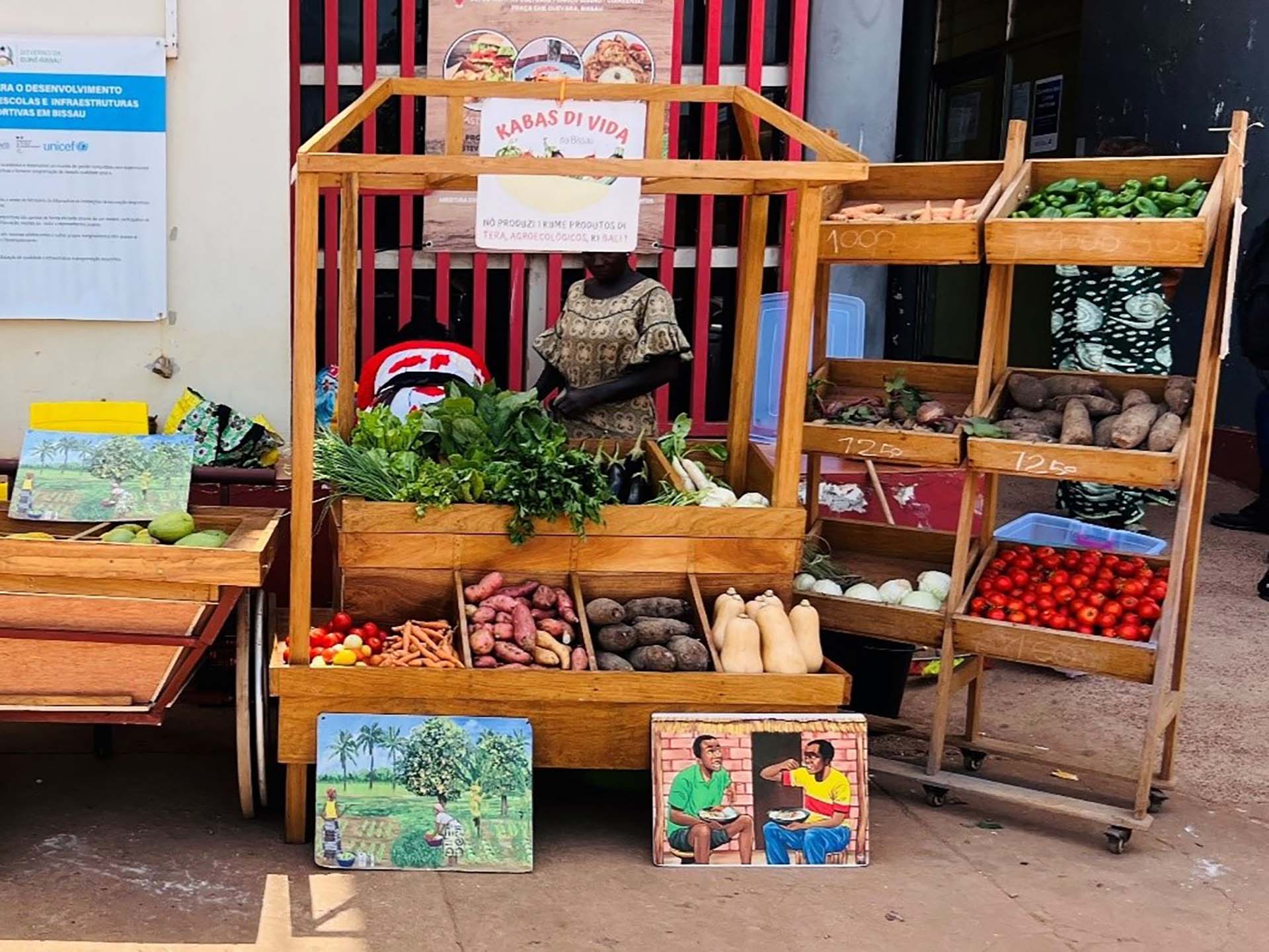
- Carry out awareness-raising and marketing activities
- Develop a participatory certification scheme recognising women producers’ agroecological products
- Support micro-projects for climate change adaptation
- ...
The nugget !
The project is being implemented in partnership with a cooperative called Kabas di Vida, which was founded in 2022 by a group of women farmers who met during an agroecology training course run by ESSOR and subsequently adopted agroecological practices. Some of them will be trained as producer-trainers to lead the Peer-Led Agricultural Training programme. ESSOR will also continue to support them in developing their marketing activities and advocacy work in favour of agroecology.
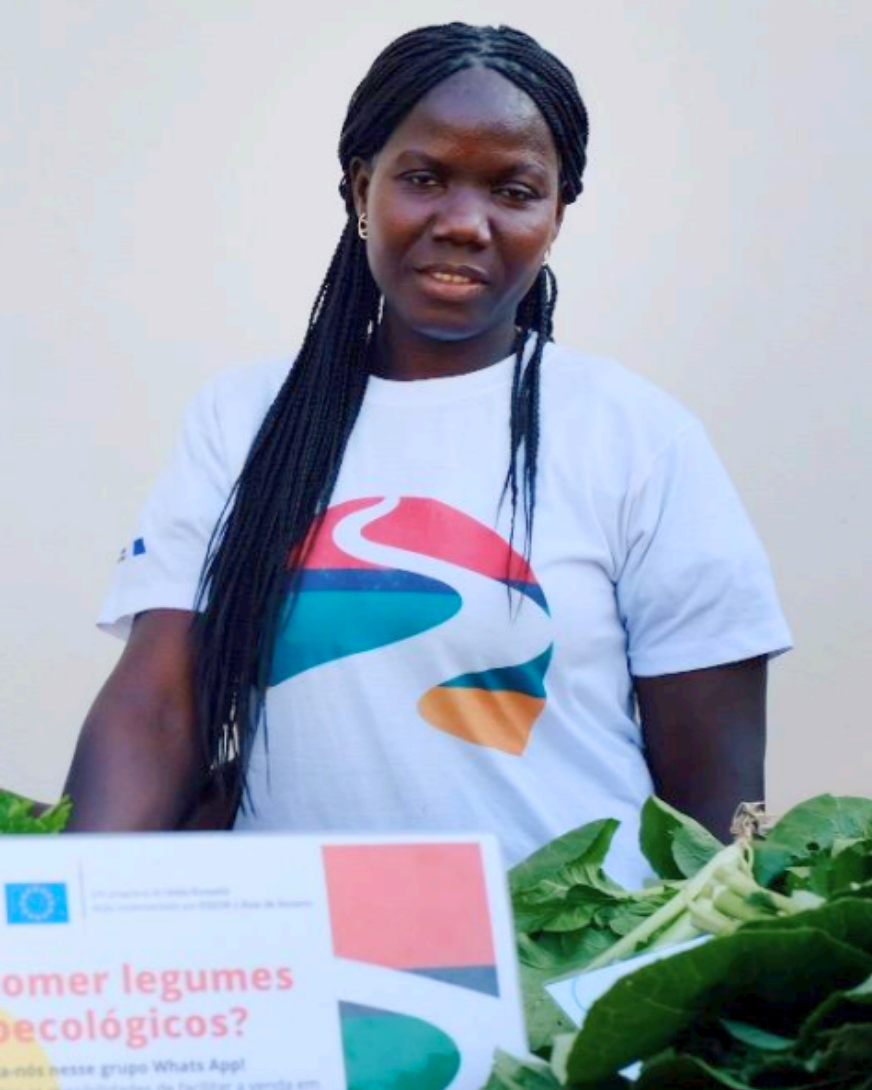
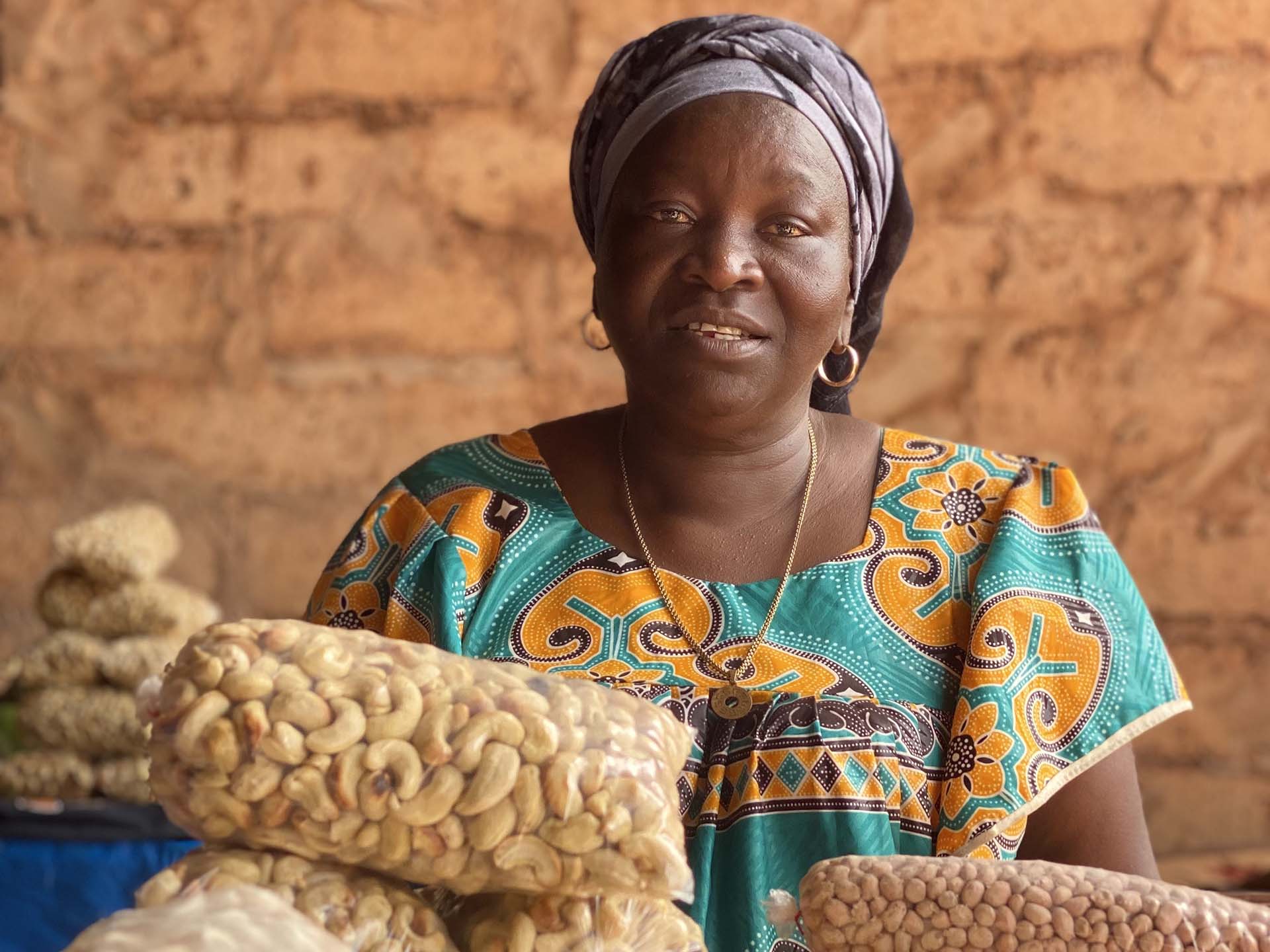
Ever since I was a child, I have been helping my mother in the vegetable garden, and at the age of 20, I started my own business. When I joined the project, I took part in training courses that enabled me to develop my skills and become a lead-vegetable-producer and vice-president of Kabas di Vida. After my divorce, I had to start from scratch, but thanks to the project, I was able to bounce back. Today, I earn a better living, my family eats better, and I have gained valuable knowledge that will stay with me forever.
Noémia
Bissau, Guinea-Bissau.
Some data...
By our side on this project
 Financial Partners

 Operational Partners
-
 Kabas di Vida
-
 APA (Association de Producteurs Agroécologiques)