Contribute to the agroecological transition in Mozambique by strengthening producers’ skills, local agricultural supply chains and agripreneurship to achieve sustainable improvements in food security.
Places of intervention
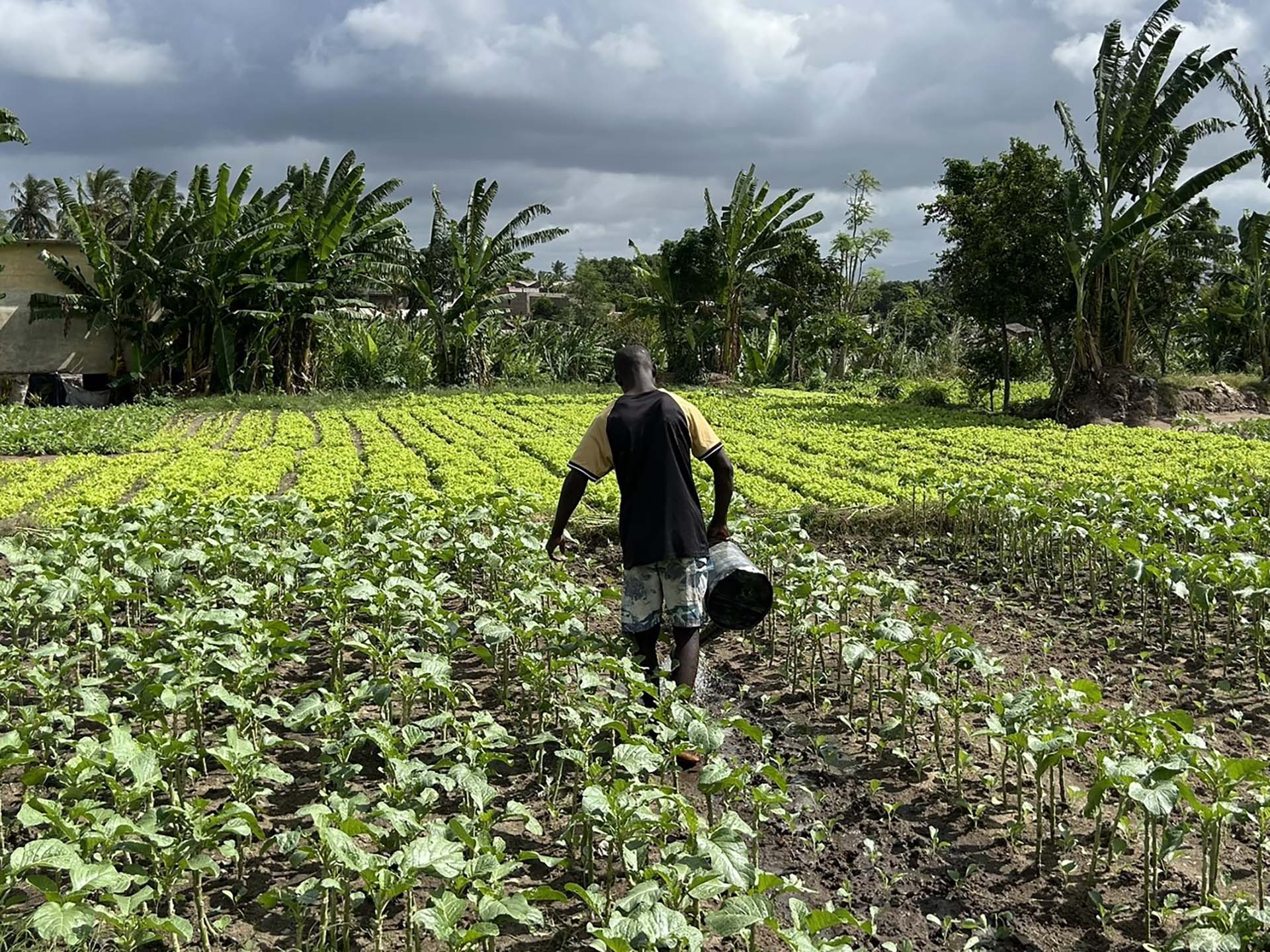
In Mozambique, agriculture accounts for 70% of employment but remains unproductive and heavily reliant on imports, leaving the country vulnerable to market fluctuations and jeopardising food security. This vulnerability is exacerbated by climate change: increased droughts, natural disasters and reduced water availability are having a direct impact on production. Conventional farming practices, characterised by excessive use of chemical inputs, degrade the soil and harm producers’ health, while young people are turning away from a sector perceived as offering little reward. In the face of these challenges, agroecology emerges as a sustainable solution, combining environmental resilience, improved incomes, diversification of supply chains and the enhancement of agricultural professions. The PROMOTORES VERDES project, led by ESSOR’s long-standing partner, the ABIODES association, builds on 9 years of successful experience to disseminate these practices, strengthen farmers’ organisations, structure value chains and boost a national network committed to the agroecological transition.
Our engagements
Strengthen producers’ technical and entrepreneurial skills
Professionalise and empower producers’ organisations, cooperatives and networks of stakeholders involved in agroecology
Promote and structure agroecological practices at a national level through training, awareness-raising and advocacy
The project in action
- Set up and equip incubators dedicated to agricultural training
- Train producer-trainers to lead the peer-to-peer training programme, a Peer-Led Agricultural Training (called FAPP) scheme combining theory and practice
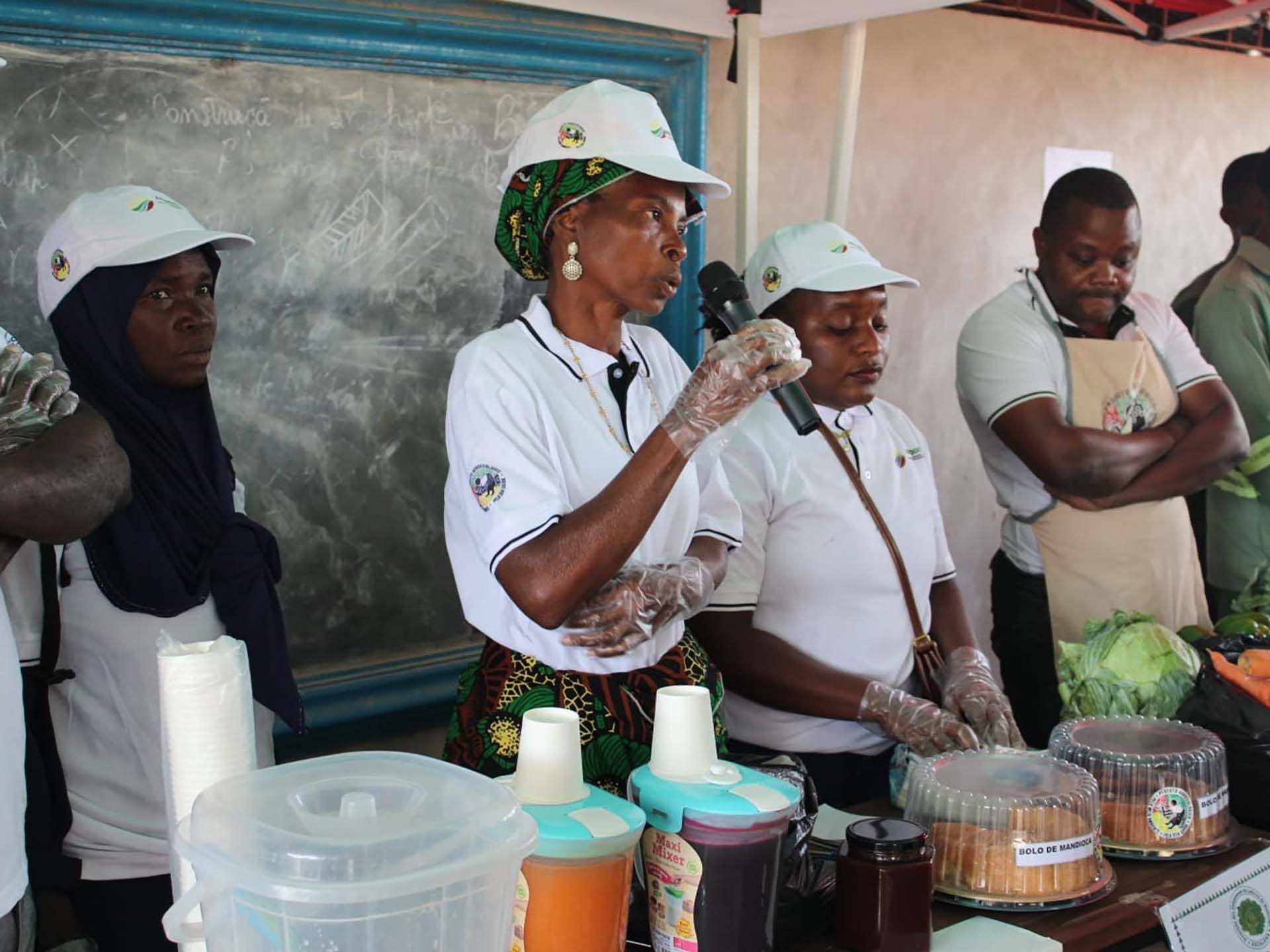
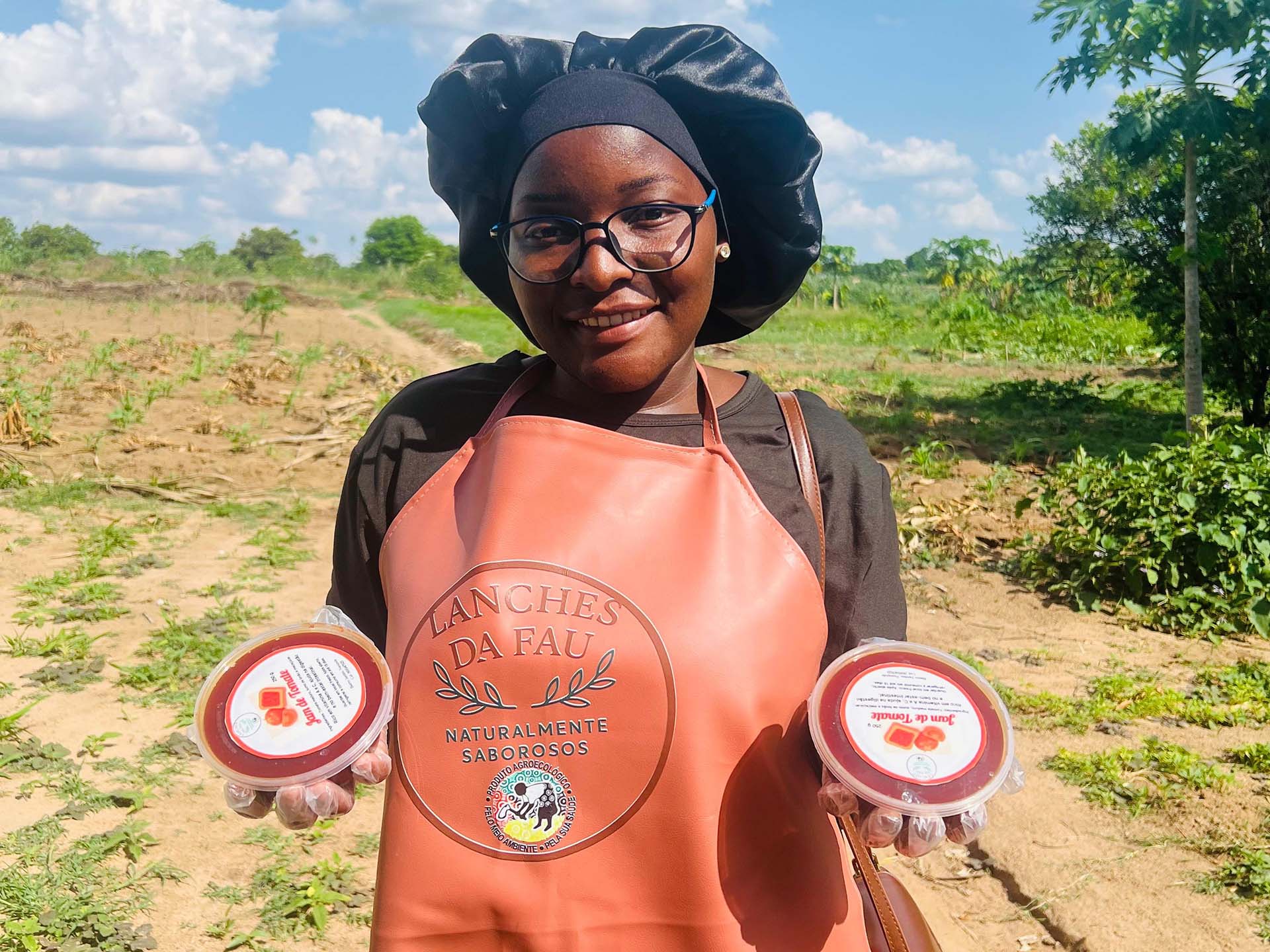
- Implement Simplified Participatory Agricultural Training programmes (called FAPA) focused on agri-food processing
- Provide guidance and financial support for local agropreneurial initiatives
- Strengthen the autonomy of key producers’ organisations
- Organise participatory awareness-raising activities on agroecology and nutrition
- Develop partnerships with universities to strengthen training and advocacy
- ...
The nugget !
A long-standing partner of ESSOR for over 10 years, ABIODES – a leading Mozambican organisation in the fields of agroecology and natural resource conservation – has been implementing all the project’s activities for several years, with technical, methodological and financial support from ESSOR. ABIODES was thus one of the first civil society organisations to receive direct financial support from the Agence Française de Développement through its support scheme for local CSOs. Technical collaboration with ESSOR has led ABIODES to adapt one of ESSOR’s flagship methodologies, Participatory Agricultural Training (called FAP), into a version focused on the processing of agroecological products within the framework of this project.
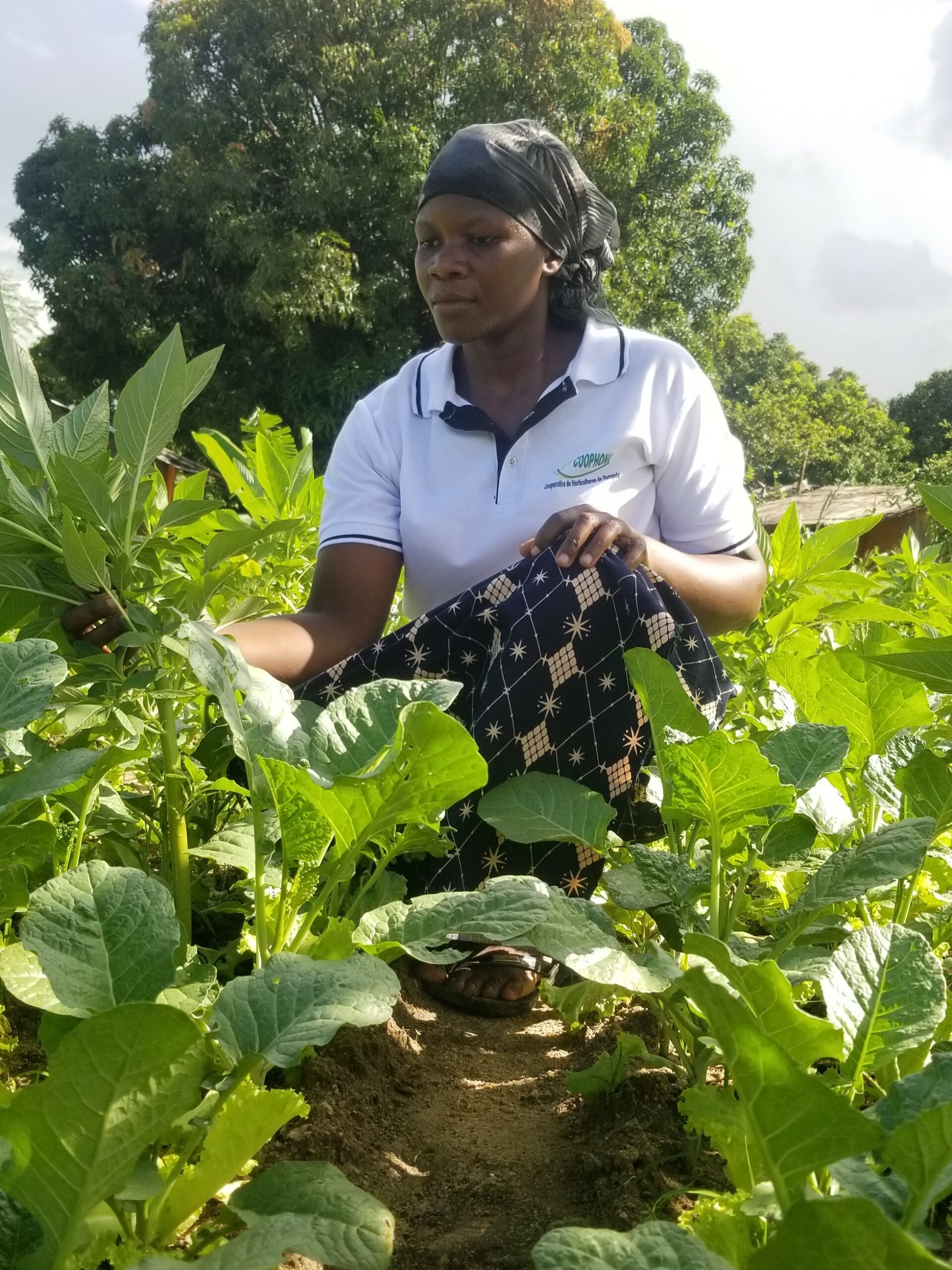
I left school at the age of 14 and, ever since I was a child, I have always helped out on my parents’ vegetable farm. At 17, I left home and have since been responsible for 80% of the household income for my family, which consists of my 4 children and my partner, who does not have a steady job. I also have to support my mother financially. In 2019, I took the Participatory Agricultural Training (FAP) course and switched to agroecology. Convinced of its benefits, I became a lead-vegetable-producer. Today, I am one of the founding members of the COOPHONA cooperative [n.b.: supported by the project].
Assina, lead-producer
31 years old
Mozambique