Help ensure sustainable access to healthy and sustainable food, while improving the living conditions of vulnerable urban agripreneurs in Brazzaville.
Places of intervention
In light of climate change and food insecurity, the agroecological transition is essential for sustainable food systems. In Congo, despite significant agricultural potential, the country remains heavily dependent on imports, making it vulnerable to price fluctuations. Agriculture, which provides a livelihood for nearly 70% of the population, remains underfunded, even though it is a key driver for strengthening food self-sufficiency and creating jobs.
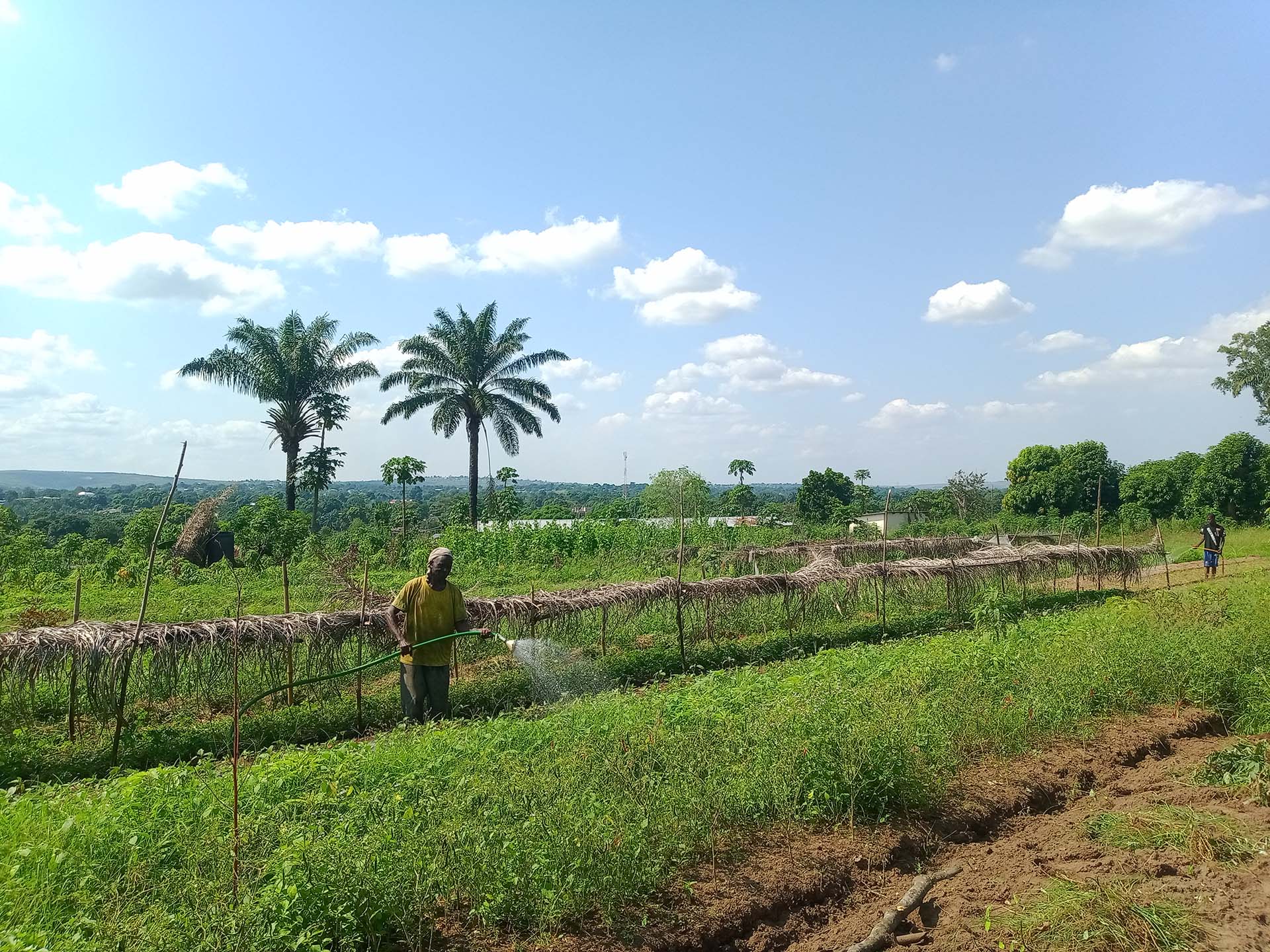
In Brazzaville, urban and peri-urban agriculture supplies local markets, but producers are heavily reliant on chemical inputs that are costly and harmful to both health and the soil. The lack of training, and the impacts of climate change, such as flooding, further limit their resilience. Building on 10 years of experience working with vegetable growers in the area, this new project aims to address the challenges of establishing a local agroecological supply chain.
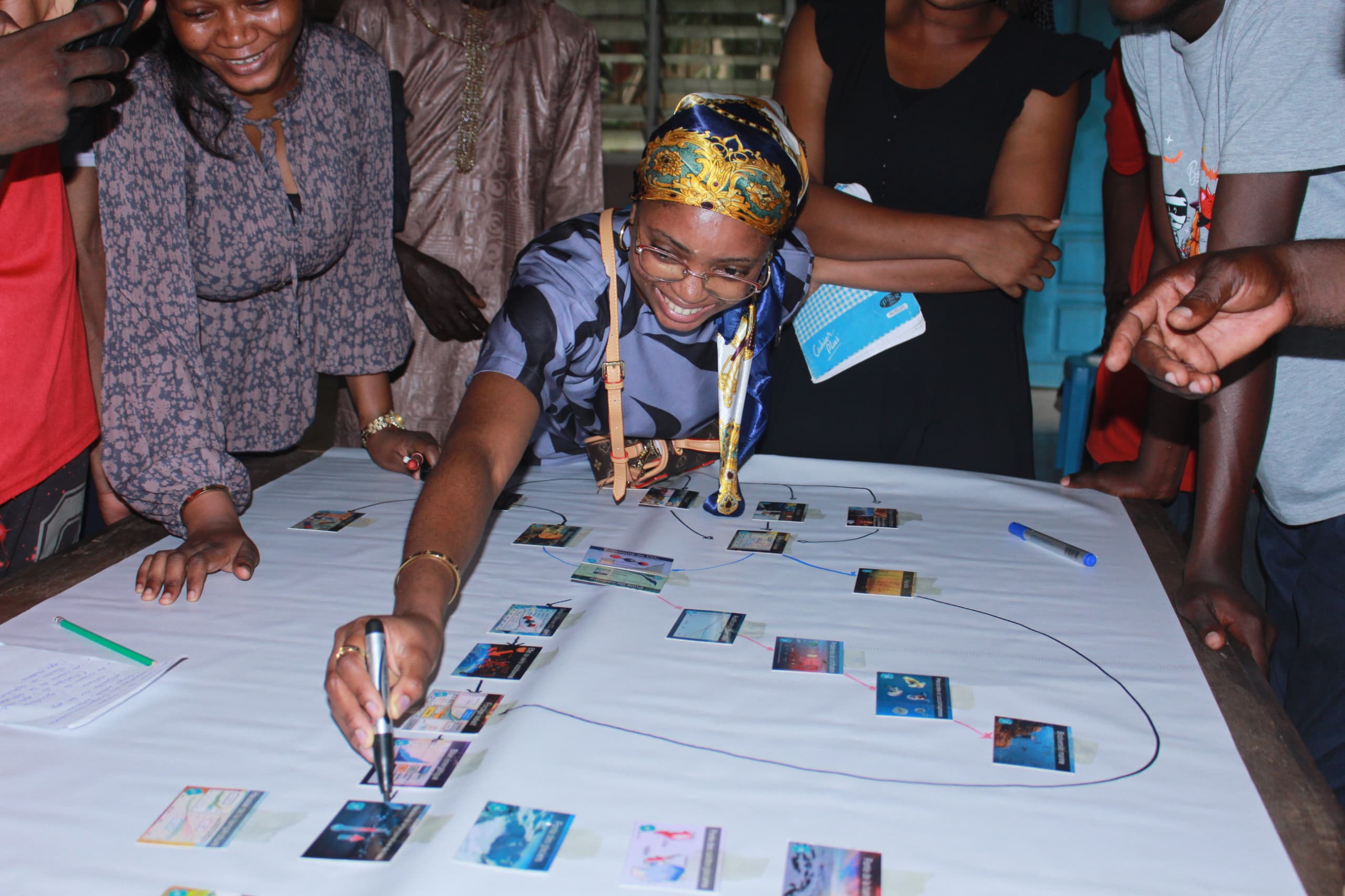
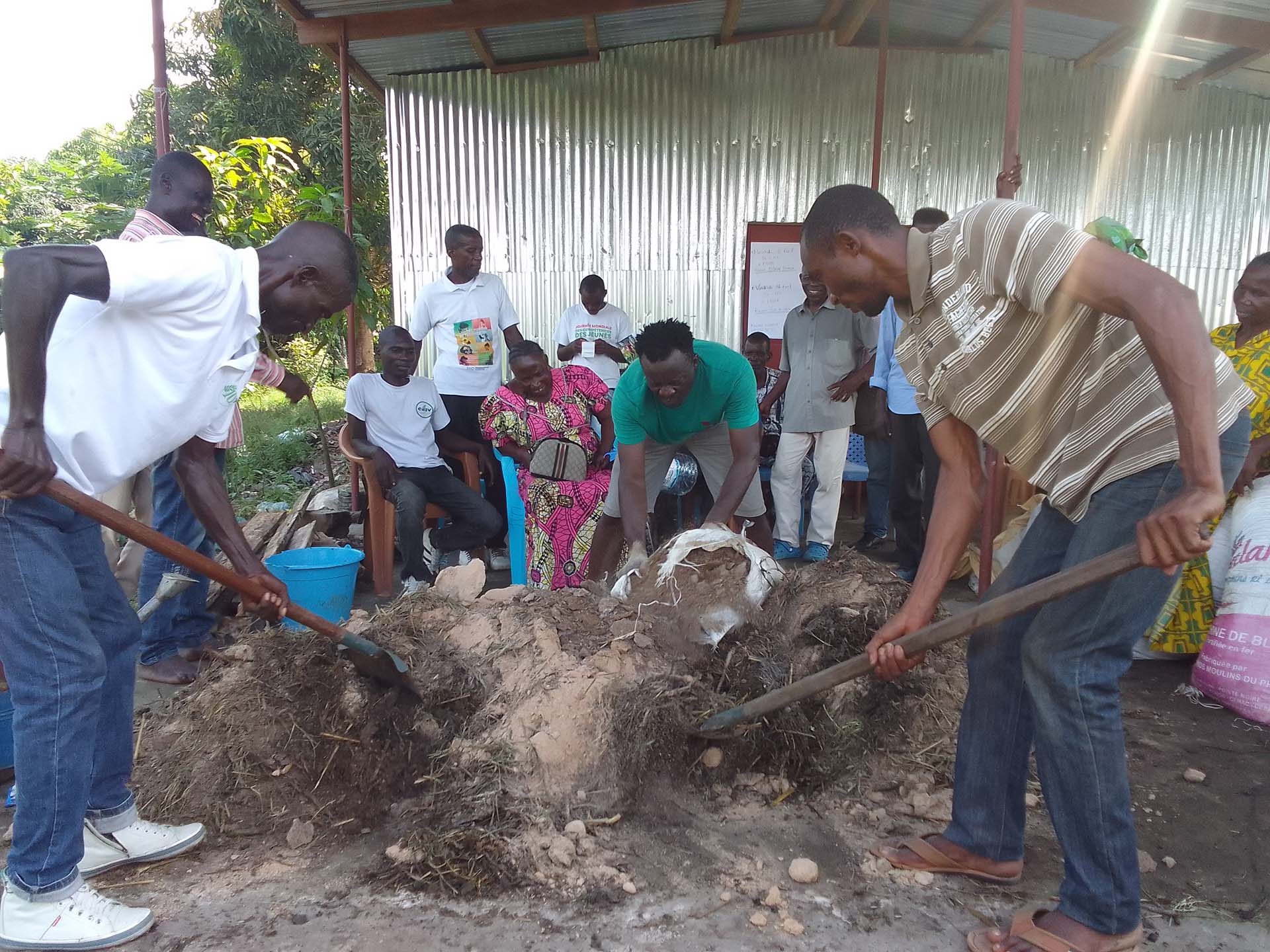
To support a sustainable agroecological transition, Koleisa is focusing on participatory training programmes that cover not only climate-resilient practices but also the development of para-agricultural entrepreneurial activities. These are designed to be accessible to young people wishing to start their own businesses and to promote income diversification for producers (beekeeping, production of bio-inputs, food crops, etc.). Furthermore, the project will trial workshops aimed at enhancing the status of agricultural professions and strengthening the entrepreneurial and interpersonal skills of agripreneurs, particularly women, whose role is undervalued and whose participation in decision-making forums is limited.
Our engagements
Promote the agroecological transition through training in sustainable agricultural practices and agro-entrepreneurship.
Develop a sustainable urban agroecological sector and strengthen local roots through marketing and cooperation.
The project in action
- Implement Peer-Led Agricultural Training (called FAPP) for 150 agripreneurs (producers and young people wishing to start their own businesses)
- Support and provide financial assistance to local agropreneurial initiatives
- Assist in the creation of, or support existing, agroecological selling spots
- Carry out initiatives to raise awareness of local and sustainable consumption, such as taking part in the AlimenTERRE festival
- Support micro-projects for climate change adaptation
- Strengthen collective initiatives (cooperatives, networks...)
- Support the development of training, processing and marketing activities carried out by the local NGO EDDEN, an agricultural training centre and producers’ cooperative which operates a restaurant
- ...
The nugget !
To promote a peer-led approach, the Peer-Led Agricultural Training programme will be facilitated by lead-producers who have been involved in the project since 2021 and have converted to agroecology. During the project, 24 lead-producers will undergo a selection and training process leading to the formation of pairs, who will be supported by ESSOR and its partner AGRIDEV.
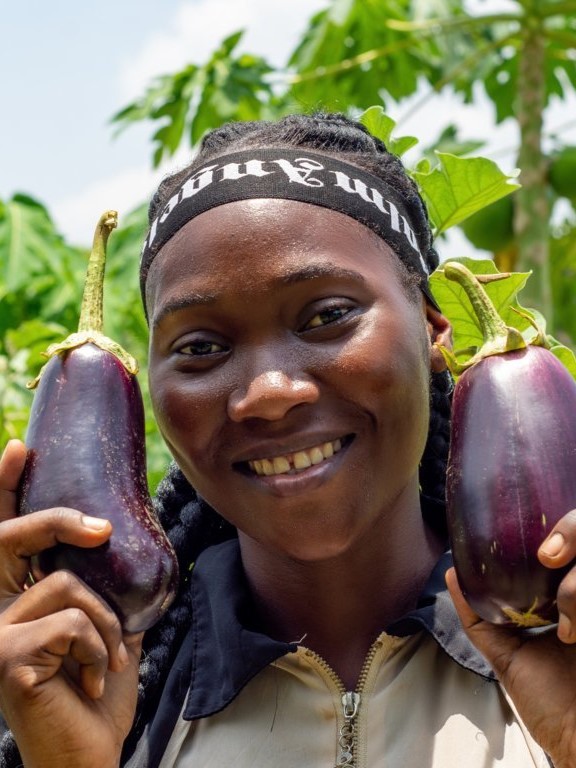
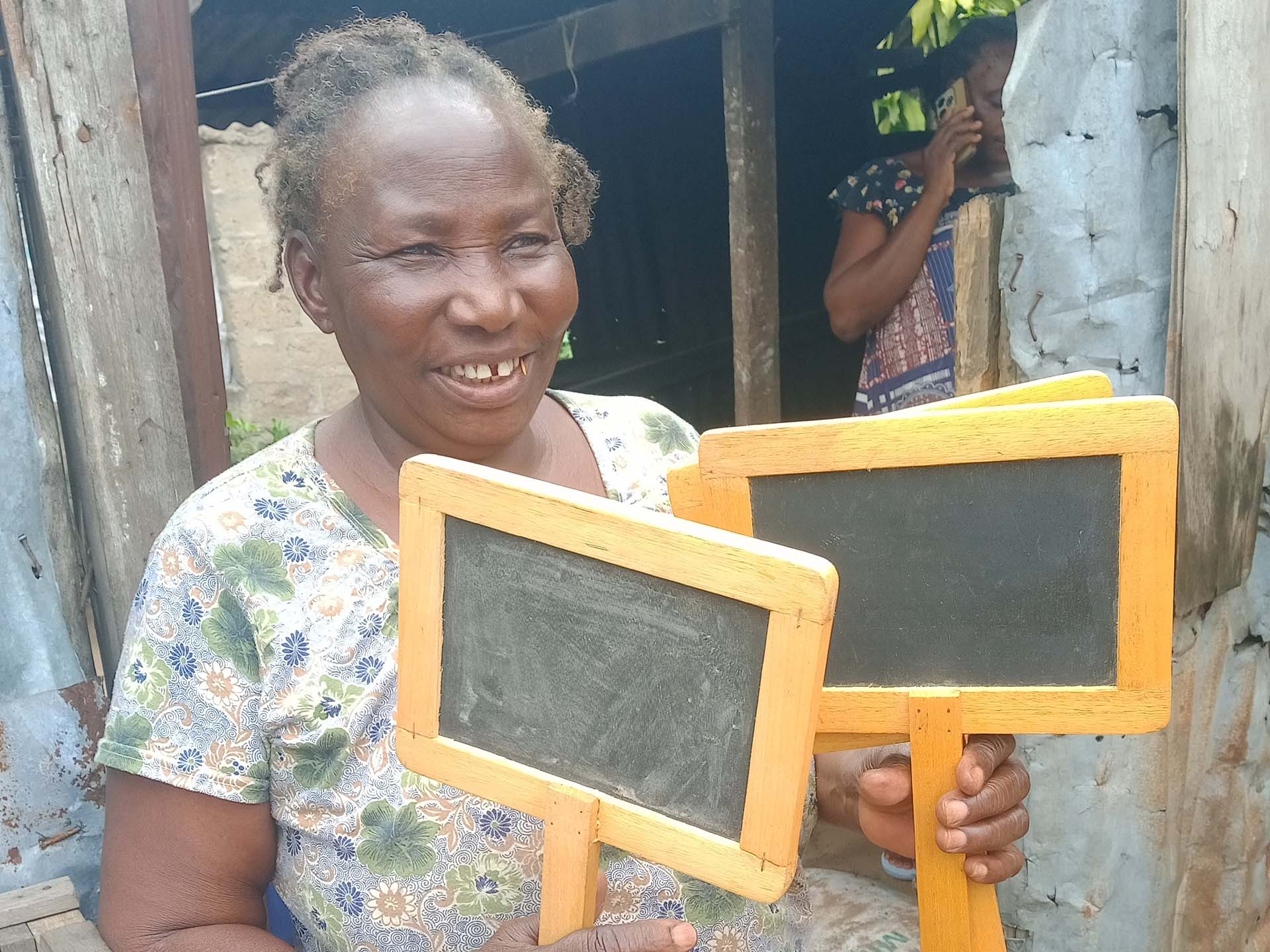
ESSOR introduced me to agroecology, which now enables me not only to respect the environment, but also to grow high-quality produce and, as a result, achieve good yields. I do meaningful work, as I help to feed the community by providing them with organic vegetables – produce of unquestionable quality and flavour. Now I can grow my crops naturally, something that was impossible a few years ago when I was using pesticides and chemical fertilisers. Since I stopped using those products, my crops are thriving!
Laeticia
23 years old
Brazzaville, Congo